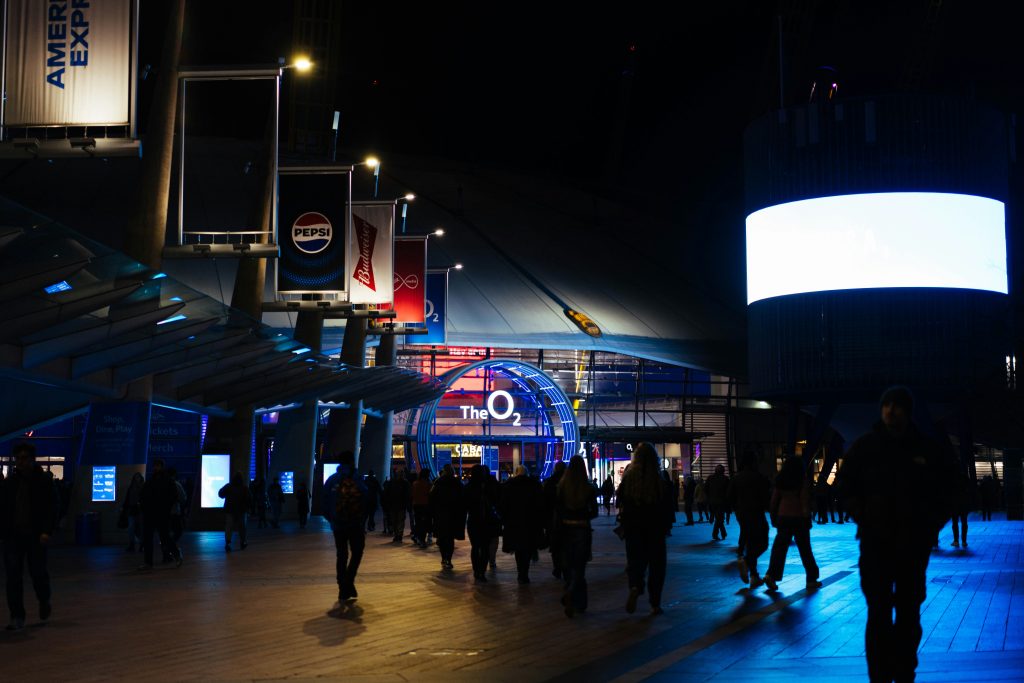
Securing event sponsorship is the lifeblood of successful running events, transforming a costly endeavor into a sustainable, high-impact community fixture. The most effective approach involves strategic targeting and the creation of flexible, valuable tiered sponsorship packages. This playbook outlines the steps to land corporate partners and structure your packages for maximum appeal and clarity.
TLDR: Securing Sponsorship & Tiered Packages
To secure running event sponsorship, shift your focus from asking for money to offering a valuable marketing opportunity.
- Know Your Data: Detail your runner demographics and audience reach to prove value (ROI) to sponsors.
- Align Interests: Target brands whose customers and values match your event (e.g., local banks, fitness companies).
- Structure Tiers: Create clear packages (Title, Gold, Silver, Bronze) where benefits escalate with the price, offering increasing levels of visibility and exclusivity.
- Monetize Assets: Sell naming rights (e.g., The [Sponsor] Finish Line) and offer category exclusivity to justify the highest tiers.
How to Secure Running Event Sponsorship (The Strategy)
Winning sponsors requires shifting your mindset from asking for money to offering a valuable marketing opportunity.
Know Your Audience & Your Assets
Sponsors invest to reach their target customers. Your primary goal is to provide them with a detailed picture of your runners.
- Audience Demographics: Go beyond simple numbers. Detail age, income, geographic location, occupation, and spending habits. Example: “Our half-marathon runners are 60% female, aged 30-45, with an average household income of £120k.”
- Unique Assets: What are you offering?
- Visibility: Logo placements, website traffic, social media reach.
- Engagement: Expo booths, speaking opportunities, interactive activations.
- Data: Pre- and post-race survey access, lead generation via app/registration.
- Alignment is Key: Target brands whose mission, values, or products naturally align with health, fitness, or your local community (e.g., shoe brands, nutrition companies, physical therapy clinics, local banks).
Craft a Compelling Proposal
Your sponsorship deck or proposal must be professional, visually appealing, and tailored to the specific prospect.
- The Hook: Start with a brief, exciting overview of your event’s mission and impact.
- The Data: Dedicate a page to your audience demographics and event attendance history (proving your reach).
- The Value Proposition: Clearly state how a partnership with them specifically will help them achieve their business objectives (e.g., brand launch, lead generation, community goodwill).
- Clear Call to Action: End by asking for a meeting to discuss which tiered package best meets their needs.
Focus on ROI (Return on Investment)
Sponsors want measurable results. Even a simple £250 Bronze-level sponsorship should have a tangible benefit.
- Pre-Event: Dedicated email blasts, social media mentions, logo on registration pages.
- Race Day: Product sampling, on-course signage, naming rights for a water station or mile marker.
- Post-Event: Inclusion in the results email, a thank-you video, or post-race survey data access.
Best Practices for Tiered Sponsorship Packages (The Structure)
A tiered structure makes it easy for sponsors to select a partnership level that aligns with their budget and goals, while also helping you forecast revenue.
Define Your Tiers Clearly
Use simple, escalating titles and ensure a clear distinction in value between each level.
| Common Tier | Suggested Price Range | Primary Focus |
| Title/Presenting | Highest (e.g., £25k+) | Maximum exclusivity, event re-naming, top-tier branding. |
| Gold/Platinum | High (e.g., £10k – £25k) | Category exclusivity, prominent speaking/activation roles. |
| Silver | Medium (e.g., £2.5k – £10k) | Significant brand visibility, multiple touchpoints (swag bag, expo booth). |
| Bronze/Community | Entry-Level (e.g., £500 – £2.5k) | Essential visibility (logo placement), great for small local businesses. |
Implement the Escalation of Benefits
The investment should directly correlate with the benefit. Higher tiers should offer greater exclusivity, visibility, and engagement.
| Tier | Example Benefits |
| Bronze | Small logo on website, 1 Social Media mention, 2 free race entries. |
| Silver | Medium logo on bibs & website, 5 Social Mentions, Expo Booth, 5 free entries. |
| Gold | Large logo on all event signage/swag, Naming Rights (e.g., “The Gold Sponsor Finish Line”), Dedicated Email Blast, 10 free entries. |
Introduce Exclusivity and Naming Rights
These are the highest-value assets you can offer and are often used to justify your top tiers.
- Category Exclusivity: Offer the Gold or Platinum sponsor the guarantee that no competing business (e.g., only one bank, only one shoe brand) will sponsor the event.
- Naming Opportunities: Monetize specific parts of the race experience:
- The [Sponsor Name] Finisher Medal
- The [Sponsor Name] Water Station
- The [Sponsor Name] Race Day Expo
- The [Sponsor Name] Gear Check
Be Flexible: The Power of A La Carte
While tiered packages provide structure, be open to customisation. If a potential partner loves the Silver tier but needs the Finish Line naming rights from the Gold tier, be prepared to adjust the price and offer a custom package that meets their specific goals. By aligning your race assets with a sponsor’s marketing objectives and providing clear, tiered options, your running event can build robust, long-term corporate partnerships.
Conclusion: Turning Sponsors into Long-Term Partners
Ultimately, securing running event sponsorship isn’t a one-time transaction; it’s the foundation of a valuable, long-term partnership. The key is to stop selling logos and start selling access to your highly engaged running community.
By diligently gathering your audience demographics, strategically aligning your event’s mission with the sponsor’s business goals, and defining clear, value-driven tiered sponsorship packages, you transform your race from a cost center into a powerful marketing platform.
Remember to follow through on every promise you make in your proposal. Deliver those promised social media shout-outs, ensure the Title Sponsor’s banner is highly visible, and provide a comprehensive post-race report detailing the ROI. Nurturing these relationships is what guarantees renewal, ensuring your race has the essential funding it needs to grow year after year.
Now that you’ve got a roadmap for building the perfect sponsorship deck, what’s the next operational challenge you’d like to tackle? Perhaps perfecting the race day safety plan or finding the right registration software?