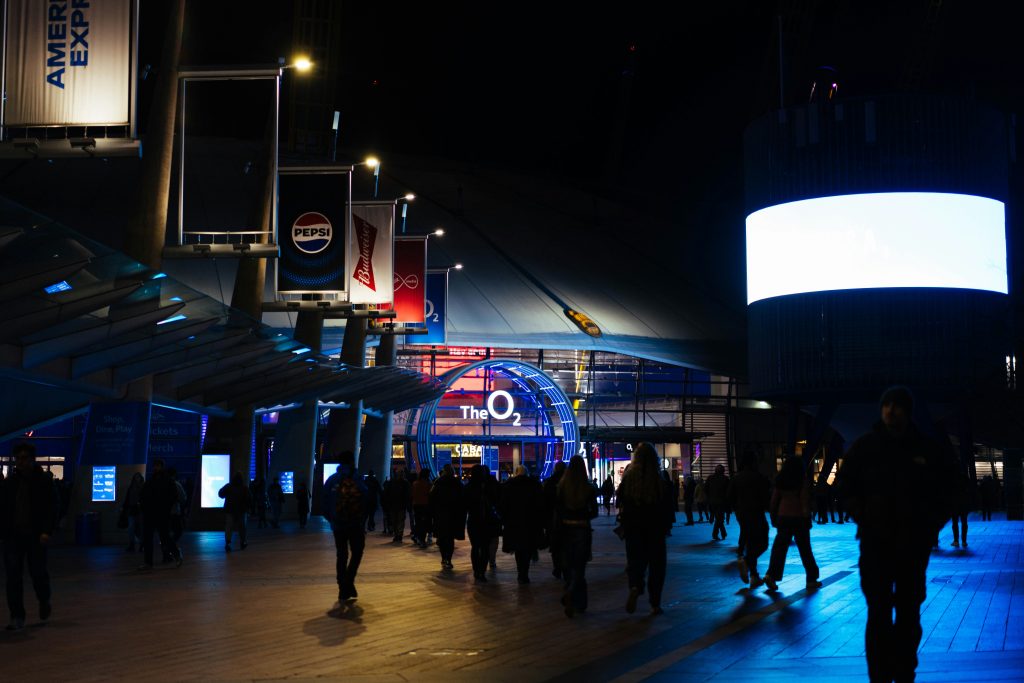
For any UK event organiser, the Venue’s Capacity is the most critical figure. It’s not simply the number of seats or the square footage; it’s the maximum number of people who can be safely evacuated in an emergency. Incorrectly defining capacity jeopardizes safety, insurance, and compliance with the Regulatory Reform (Fire Safety) Order 2005.
Defining your safe capacity is a core step in event planning that requires a systematic approach. This guide breaks down the essential UK principles used by regulators and safety authorities.
The Principle of Safe Capacity (The Lowest Figure)
Safe capacity is the maximum number of people your venue can accommodate while maintaining reasonable safety standards. According to guidance like the Sports Grounds Safety Authority (SGSA) Green Guide and Fire Safety Risk Assessment guides, the final capacity is determined by calculating four different factors, and you must use the lowest figure.
The final figure is the lowest of these four calculations:
-
Holding Capacity (Physical Space): How many people can physically fit and stand or sit comfortably?
-
Entry Capacity (Ingress): How quickly can people enter the venue? (Usually calculated per hour).
-
Exit Capacity (Egress): How quickly can people leave under normal conditions?
-
Emergency Exit Capacity: How quickly can people leave under emergency conditions (evacuation)?
Calculating Holding Capacity (The Floor Space Method)
Holding capacity is determined by the usable floor space available for attendees, factoring in safety density.
Floor Space Factor
For standing areas, a common guideline (referenced in UK Fire Safety guidance) is to allow 0.5m² of floor space per person.
Capacity = Total Usable Floor Area (in sq m) ÷ Space Factor (e.g., 0.5 sq m/person)
Deduct Infrastructure
Always subtract the space taken up by non-attendee infrastructure (stages, sound desks, catering stalls, portable toilets, barriers, and circulation space) before using the formula.
Fixed Seating
If your event uses fixed seating, the holding capacity is simply the total number of usable seats.
The Critical Limiting Factor: Exit Capacity
In most cases, the Exit Capacity is the figure that limits your total attendance, not the size of the floor. This is determined by the width and number of your emergency exits.
Emergency Exit Flow Rate
UK safety guidance assumes a standard flow rate for evacuation. A common figure used for calculations is that 85 to 90 people can pass through a metre-wide escape route per minute.
You must calculate the total width of all available escape routes and ensure that the estimated evacuation time meets the risk level (e.g., 5-10 minutes). If your holding capacity is 5,000, but your exits can only evacuate 3,000 people safely within the required time, your safe capacity is 3,000.
The Bottleneck Rule
The calculation must be based on the narrowest point of the escape route (e.g., a narrow doorway or staircase), not the widest gate. Additionally, you often must discount the largest exit route, assuming it is blocked by the incident.
Technology for Compliance and Capacity Control
Manually tracking capacity against sales is complex and error-prone. This is where modern ticketing solutions provide essential compliance and efficiency.
Real-Time Capacity Management
Your ticketing platform must be your first line of defense. Comus.io allows you to set the maximum capacity limit (based on your lowest calculated figure) directly in the system. Sales will automatically cut off the instant this number is reached, preventing accidental overselling and potential safety breaches.
Timed Slots for Flow Management
For complex sites or attractions (like Santa’s Grottos or high-traffic market days), defining capacity by time slots is essential. Comus allows you to easily set different maximum capacities for different sessions (e.g., 100 people per 30-minute slot), ensuring you manage crowd density, entry flow, and compliance perfectly across the entire event.
Ready to manage your capacity safely and accurately? Setting capacity limits in your ticketing system is the easiest way to ensure compliance with UK safety regulations.